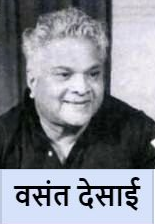
सम्पूर्ण जीवन संगीत को सरस्वती की उपासना माननेवाले संगीतकार वसंत देसाई के नाम कई मीठी धुनें मौजूद हैं जिन्हें सुनते वक्त हमें सहज ही उनकी प्रतिभा का अंदाज आ जाता है। 

अपने पसंदीदा गानों का आनंद लीजिए!
बचपन में वसंत देसाई घर के धार्मिक वातावरण में बडे हुए। घर में और आसपास जो प्रार्थना, भजन-कीर्तन गाये जाते उसमें उन्हें बडा ही रस आता। आगे चलकर भक्ति के ये भाव, गहरी संवेदनाएँ सुर और राग के माध्यम से अभिव्यक्त हुए जो मानवी भावनाओं की सृजनात्मकता का प्रतिक बने और कसे हुए कलाकारों ने उन्हें बेजोड अभिव्यक्ति दी। शास्त्रीय संगीत के अलावा, उन्होंने लोक संगीत के रंगों को भी अपने संगीत में बखूबी समाहित किया। फिल्मी दुनिया के संगीतकारों की भीड में वसंत देसाई ऐसे विरल संगीतकार नजर आते हैं जिनका संगीत हर कसौटी पर सामान्य से परे है। शास्त्रीय संगीत के राग विशुद्ध रूप में हमें उनके संगीत में दिखाई पडते हैं क्यों की संगीत की पवित्रता को नष्ट नहीं होने दिया। जीवन पथ पर आध्यात्मिकता का अलग उजाला बिखेरने वाला उनका संगीत इतिहास में हमेशा अमर रहेगा।
वसंत देसाई ने अपने जीवन में सर्वाधिक संगीत रचने का काम व्ही. शान्ताराम की फिल्मों के लिए ही किया है। बेहतरीन संगीत से सजी इनकी कई फिल्में हैं - दो आँखे बारा हाथ, गूँज उठी शहनाई, आशीर्वाद, गुड्डी, झनक झनक पायल बजे, यादें आदि।
Vasant Desai’s journey in music began in the 1940s with Marathi theater, but it was his transition to Hindi films in the 1950s that allowed him to display his musical brilliance. His first significant film was Shakuntala (1943), which did not make a lasting impact, but it was his work in Toofan Aur Deeya (1956) that marked the beginning of his successful career showcasing Desai’s ability to evoke deep emotion through music.
One of his most notable collaborations was with filmmaker V. Shantaram in Do Aankhen Barah Haath (1957). Desai’s music perfectly complemented the film's theme of human compassion, with songs like "E Malik Tere Bande Hum" becoming iconic for their soulful melody and emotional depth. Another standout soundtrack was Navrang (1959) and Jhanak Jhanak Payal Baaje (1955), which is remembered for its intricate use of Indian classical music. Unlike some of his contemporaries who relied heavily on orchestration and grandiose arrangements, Desai’s music was often simple yet deeply expressive and graceful.
Desai’s versatility extended to socially relevant films, such as Goonj Utthi Shehnai (1959), where he composed music that resonated with themes of disability and acceptance. His ability to blend emotional depth with minimal orchestration made his compositions stand out, with his music always adding layers of meaning to the narrative. Despite not achieving the same fame as some contemporaries, Desai’s timeless work continues to evoke nostalgia and emotional resonance among audiences.
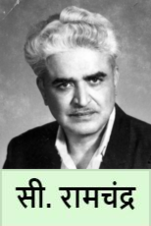
• स्वर्णिम युग के लोकप्रिय संगीतकार:






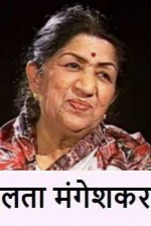
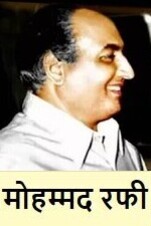
• संगीत खजाने की कुछ बेहतरीन आवाजें:




• संगीत खजाने के कुछ अन्य मोती: